
A Man’s Guide to Blood Pressure: Understanding the Numbers, Their Importance, and How to Stay in Control
I didn’t think about my blood pressure in my 20s and 30s. I only noted it when it got checked during urgent cI didn’t give much thought to my blood pressure in my 20s and 30s. I only noticed it during urgent care visits, always figuring it was something to worry about when AARP started sending me senior discount letters.
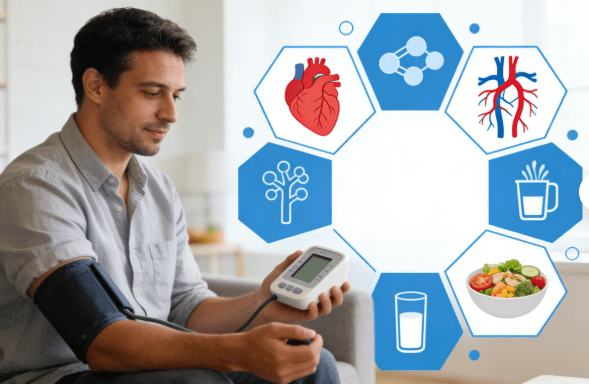
While I’m not ready for those discounts, I’ve entered middle age and developed a greater interest in preventive health. One metric I now track regularly is my blood pressure, which I measure once a week.
Why? Because blood pressure is a key indicator of long-term health. It’s something to monitor sooner rather than later, even before you’re officially “elderly.”
High blood pressure, or hypertension, is often called a “silent killer.” It rarely shows symptoms, but over time, it silently damages arteries and organs until it strikes as a heart attack, stroke, or kidney disease. Stats say nearly half of you reading this article have it.
The good news is that simple lifestyle changes can make a huge difference. And if medication is needed, modern treatments are effective and accessible.
In today’s guide, we’ll cover what blood pressure is, why it matters, common causes, and practical steps to keep it in check.
What Is Blood Pressure?
Think of blood pressure as the force your blood exerts against artery walls with each heartbeat.
- Systolic pressure (the top number): The pressure when your heart beats and pushes blood out.
- Diastolic pressure (the bottom number): The pressure when your heart rests between beats.
A reading of 120/80 means 120 mmHg during a heartbeat and 80 mmHg when resting.
The American Heart Association defines a healthy adult blood pressure as below 120/80. Here’s the full scale:
表格
| Category | Blood Pressure Reading |
|---|---|
| Normal | < 120/80 |
| Elevated | 120–129 / < 80 |
| High Blood Pressure (Stage 1) | 130–139 / 80–89 |
| High Blood Pressure (Stage 2) | ≥ 140 / ≥ 90 |
| Hypertensive Crisis | > 180 / > 120 |
A systolic pressure in the 120s is “elevated,” similar to prediabetes—a warning sign. A reading above 130 means a hypertension diagnosis.
The 120 vs. 140 Debate
For years, 140/90 was the cutoff for high blood pressure. In 2017, the AHA and ACC lowered it to 130/80, labeling 120/80 as “elevated.”
This change was controversial. Overnight, millions of healthy people in their 20s–40s were suddenly considered “borderline.” Critics argued it over-medicalized healthy people.
Supporters countered that cardiovascular risk increases gradually, not suddenly at 140/90. Lowering the threshold encourages earlier intervention and lifestyle changes, not just more prescriptions.
The WHO and European societies still use 140/90 as the diagnostic standard.
Think of blood pressure as a spectrum. Lower is better. Slightly elevated numbers are a nudge to tighten your habits, not a panic button.
Why Healthy Blood Pressure Matters
The “silent killer” moniker exists for a reason. You often feel fine—until you’re not. Uncontrolled hypertension can lead to:
- Heart Disease & Heart Attacks: It stiffens arteries and forces the heart to work harder. Heart disease is the #1 killer of American men, and high blood pressure is a major cause.
- Stroke: It weakens blood vessels in the brain, causing clots or hemorrhages that can be debilitating or fatal.
- Kidney Damage: The kidneys’ tiny blood vessels are scarred over time, leading to disease or failure.
- Sexual Health: It’s bad for erections. Erectile dysfunction is not only a quality-of-life issue but also an early warning sign for cardiovascular trouble.
Common Causes of High Blood Pressure
Hypertension usually stems from a mix of genetics, aging, and lifestyle. Some factors are fixed, others aren’t. For men, the main drivers are:
- Age: Arteries naturally stiffen with age. Expect rising numbers in your 30s and 40s if you’re inactive.
- Gender: Men develop high blood pressure earlier than women.
- Family History: Genetics play a big role.
- Diet: Too much sodium (processed food, restaurant meals) and not enough potassium (fruits, veggies) are a recipe for trouble.
- Inactivity: Sedentary lifestyles weaken the heart and harden arteries.
- Excess Weight: Carrying extra pounds, especially around the midsection, increases strain.
- Alcohol: Heavy, consistent drinking raises blood pressure.
- Nicotine: Whether from cigarettes or pouches, it spikes heart rate and constricts blood vessels.
- Stress: Chronic stress keeps your system “revved up,” pushing pressure higher.
- Poor Sleep: Less than 7 hours a night or untreated sleep apnea keeps pressure elevated.
Managing Blood Pressure: Lifestyle Strategies
The best news is that lifestyle changes can drastically lower blood pressure, often avoiding or delaying medication. Here are the key levers:
- Diet: Cut back on processed foods and salt. Load up on vegetables, fruits, lean proteins, and healthy fats.
- Strength Training: While it spikes pressure during sets, it strengthens the heart and improves vessel health over time.
- Zone 2 Cardio: Aerobic exercise is powerful. Aim for 150 minutes weekly via walking, cycling, or rowing. It strengthens the heart and improves oxygen efficiency.
- HIIT: High-Intensity Interval Training offers big benefits in less time. Try an assault bike for short, intense bursts.
- Weight Loss: Even a 5–10% reduction in body weight can significantly improve numbers.
- Limit Alcohol: Stick to two drinks or fewer per day.
- Quit Nicotine: It constricts arteries. Quitting relaxes them and lowers pressure.
- Stress Management: Exercise, meditation, hobbies, or time outdoors can keep your system in check.
- Sleep: Aim for 7–9 hours. If you snore, get tested for sleep apnea.
- Deep Breathing: Slow, controlled nose breathing activates the parasympathetic nervous system, lowering heart rate and pressure.
- Sunlight: Moderate exposure helps release nitric oxide, relaxing blood vessels.
- Caffeine: If you’re sensitive, cuts back on espresso or energy drinks.
- Stay Hydrated: It helps the kidneys balance sodium and supports blood volume.
- Nature: “Forest bathing” (shinrin-yoku) reduces stress hormones and blood pressure.
- Monitor: Track your blood pressure weekly.
How to Take Your Blood Pressure at Home
Home monitors are affordable and reliable. I check mine every Sunday morning.
Home readings are often more accurate than doctor’s office visits, which can trigger “white coat syndrome.”
Follow these best practices for accurate results:
- Use an Upper-Arm Cuff: Wrist and finger monitors are less precise.
- Be Consistent: Measure in the morning, before coffee or exercise.
- Rest: Sit quietly for 5 minutes first.
- Posture: Sit with your back supported, feet flat, and arm at heart level.
- Be Still: Don’t talk or move during the reading.
- Average It Out: Take 2–3 readings a minute apart and use the average.
- Log It: Track trends over time.
- Avoid Interference: Don’t measure over clothing, after caffeine, or right after working out.
When Lifestyle Isn’t Enough
Sometimes, despite your best efforts, genetics and age keep pressure high. That’s when medication is necessary.
Common medications include thiazide diuretics and ACE inhibitors (like lisinopril). If your numbers stay above 130/80 after 3–6 months of lifestyle changes, talk to your doctor about prescriptions.
Conclusion
Your blood pressure is a scorecard for your heart and arteries. Keep it in check, and you drastically reduce your risk of heart attacks, strokes, kidney disease, and ED. Ignore it, and the silent killer may strike.
So, check your blood pressure. Eat better, move more, stress less. Take meds if you need to.
Your heart and overall health will thank you.
 MaleRevivePro