
Leica’s $2,300 Flagship: A Smartphone Built with a Mechanical Lens Ring and True Camera Hardware
For nearly a decade, Leica has been eager to establish a meaningful foothold in the competitive smartphone landscape. Beyond its recent collaborations—like the LUX phone app and the snap-on LUX Grip—the iconic German camera brand has also released its own smartphone models. However, following the expiration of its partnerships with both Huawei and Sharp (which even resulted in the Japan-exclusive Leitz phone lines, essentially rebranded Sharp devices), Leica appears to have finally struck gold. This time, in partnership with Xiaomi, the brand has unveiled the globally available Leitzphone, marking a potential turning point in its mobile venture.
100 Years in the Making
Coincidentally enough (or not), the Leitzphone arrives on the centenary of the Leica I Model A, the first mass-produced 35mm camera and the device that essentially invented modern photography as we know it. The new smartphone, launched at MWC Barcelona this past weekend, is the brand’s biggest leap forward so far.
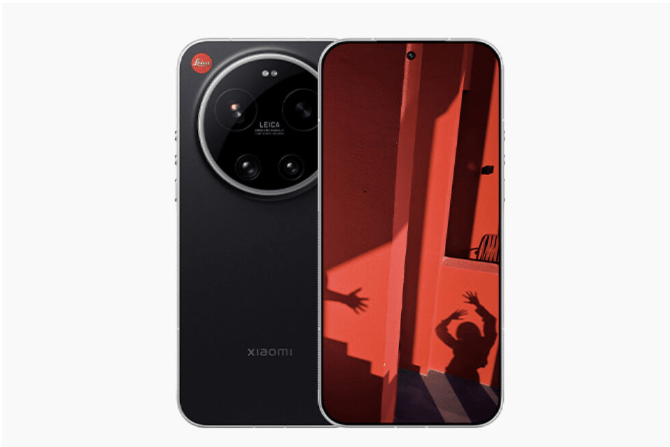
To understand the Leitzphone, you have to understand what Xiaomi brings to the table. The two companies have been co-developing smartphone cameras together since 2022, and the results have been consistently strong. The Leitzphone is, at its core, a Xiaomi 17 Ultra with a very different objective. They share the same Qualcomm Snapdragon 8 Elite Gen 5 chipset, the same 6.9-inch HyperRGB OLED display, and the same triple-camera hardware. But Leica’s fingerprints are all over the software, the design language, and a few clever hardware touches that separate the two. Leica CEO Matthias Harsch put it plainly at launch: They didn’t ask how a smartphone should look, but asked what a Leica phone should be from the perspective of a photographer. That mindset shift is visible throughout.
The Ring Thing
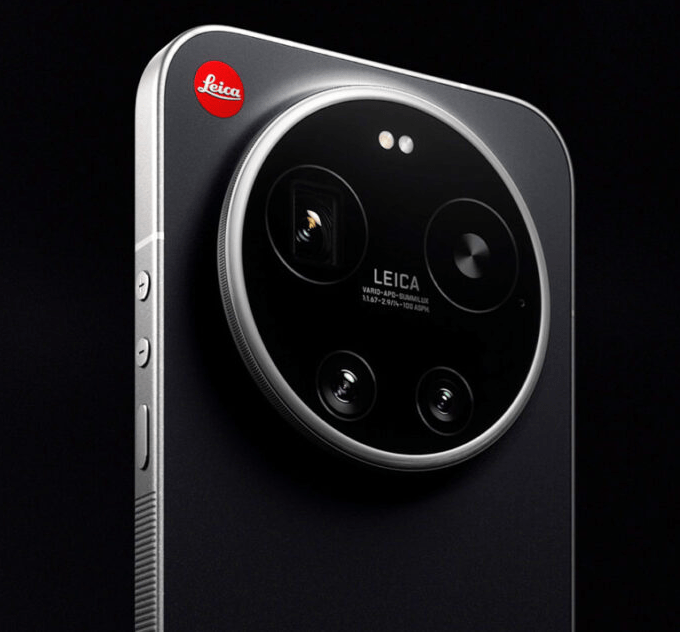
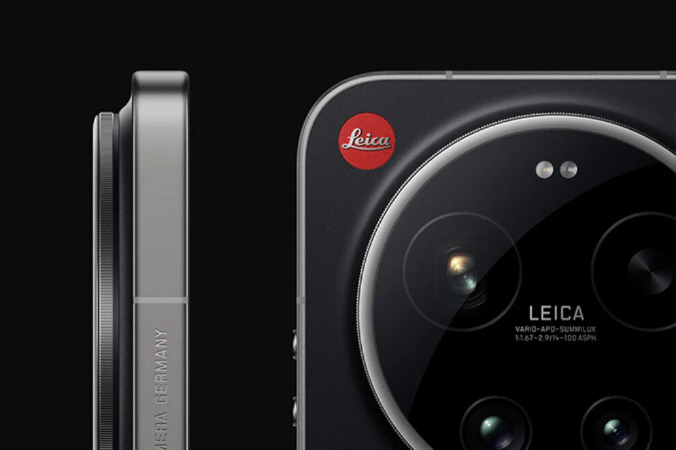
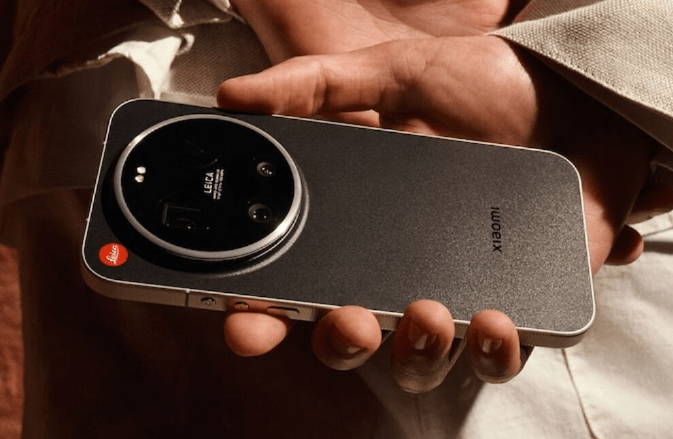
The defining hardware feature here is the mechanical camera ring on the back, which rotates around the circular camera module the way a lens ring rotates on an actual Leica. It can be mapped to control zoom, ISO, shutter speed, exposure value, or focal length selection depending on the shooting mode. Pro mode opens it up further. It’s a tactile element that makes the camera interaction feel more deliberate and intuitive than just swiping a glass screen. We’re honestly surprised no one had thought of this sooner. Leave it to Leica.
For those who wanna know, the triple-camera system is built around the Vario-APO-Summilux 14-100mm f/1.67-2.9 ASPH. lens spec, which is classic Leica nomenclature applied to mobile optics. The main camera uses a 1-inch sensor with LOFIC (Lateral Overflow Integration Capacitor) technology, storing excess charge at the pixel level for expanded dynamic range, which is especially noticeable in high-contrast shooting situations like cityscapes at dusk or shooting into natural light. The telephoto is a 200MP periscope module with a 1/1.4-inch sensor offering continuous optical zoom from 75mm to 100mm with OIS. That’s not a huge zoom range, but the critical word is optical throughout the range, not a hybrid digital crop like most phones use. Rounding out the trio is a 50MP 14mm ultrawide.
Looking the Part
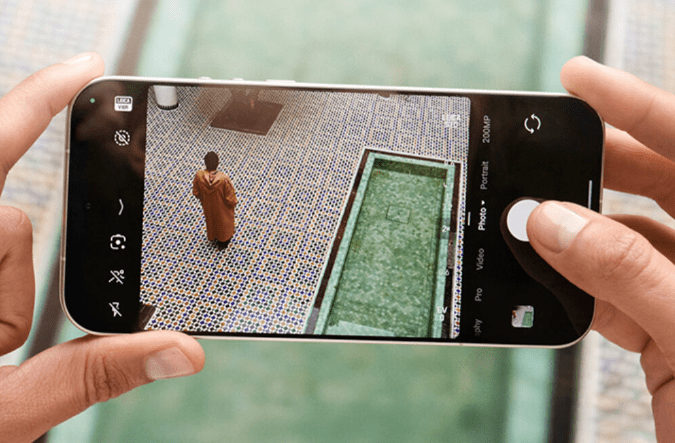
The camera app ships with 13 Leica Looks, five bokeh simulations modeled after classic Leica glass (Summicron, Summilux, Noctilux, Anamorphic), and a dedicated Leica Essential mode that replicates the color science of the M9 for color shooting and the Leica M3 with Monopan 50 film for monochrome. There’s even an I Model A filter that replicates the grainy black-and-white quality of Leica’s centenary 35mm camera.
Just like newer Lecia cameras, the Leitzphone also supports the Content Authenticity Initiative with a dedicated security chip that cryptographically signs each image at capture, providing verifiable proof of origin via C2PA standards. This is increasingly relevant in a world drowning in AI-generated imagery.
Reduction to the Essential
Cosmetically, the Leitzphone is undeniably on-brand for the camera maker, with a matte black fibreglass back, precisely knurled aluminum-alloy frame etched with “Leica Camera Germany” down one side, and the famous red dot in the corner.
The phone also ships with MagSafe compatibility, a faux leather case with a Leica lens cap, a microfiber cloth, and a red wrist strap that looks pulled straight from an M-series camera bag.

Spec Sheet
Model: Leica Leitzphone Powered by Xiaomi
Display: 6.9″ 2608×1200 HyperRGB OLED, 1-120Hz LTPO
Processor: Qualcomm Snapdragon 8 Elite Gen 5
RAM / Storage: 16GB / 1TB
Main Camera: 1-inch sensor, LOFIC technology, 50MP
Telephoto: 200MP periscope, 75-100mm optical zoom, OIS, 1/1.4″ sensor
Ultrawide: 50MP, 14mm
Lens System: Vario-APO-Summilux 14-100mm f/1.67-2.9 ASPH.
Battery: 6,000mAh silicon-carbon, 90W wired / 50W wireless
OS: HyperOS 3 (Android 16), Leica-designed UI
Water Resistance: IP68
Special Features: Mechanical camera ring, 13 Leica Looks, Leica Essential Mode, C2PA image authentication, MagSafe
Build: Matte black fibreglass back, knurled aluminum-alloy frame
Pricing & Availability
The Leica Leitzphone Powered by Xiaomi is available now at €1,999 ($2,337) in Europe in a single 16GB+1TB configuration. It’s sold through Leica’s official website, Leica Stores worldwide, and select partner channels, but it won’t be avaialble in the U.S. There are no color options to speak of, which is entirely on brand.
 MaleRevivePro